iCore Integration Suite – integrationsplattformen som knyter ihop din digitala verksamhet
iCore Integration Suite är plattformen som kopplar ihop dina system och håller dina affärskritiska processer igång, oavsett om du kör i molnet, on-premise eller i en hybridmiljö.
Byggd för verksamheter med höga krav på driftsäkerhet, spårbarhet och compliance. Välj de system som passar din affär bäst – vi ser till att de pratar med varandra.
Vad är en integrationsplattform?
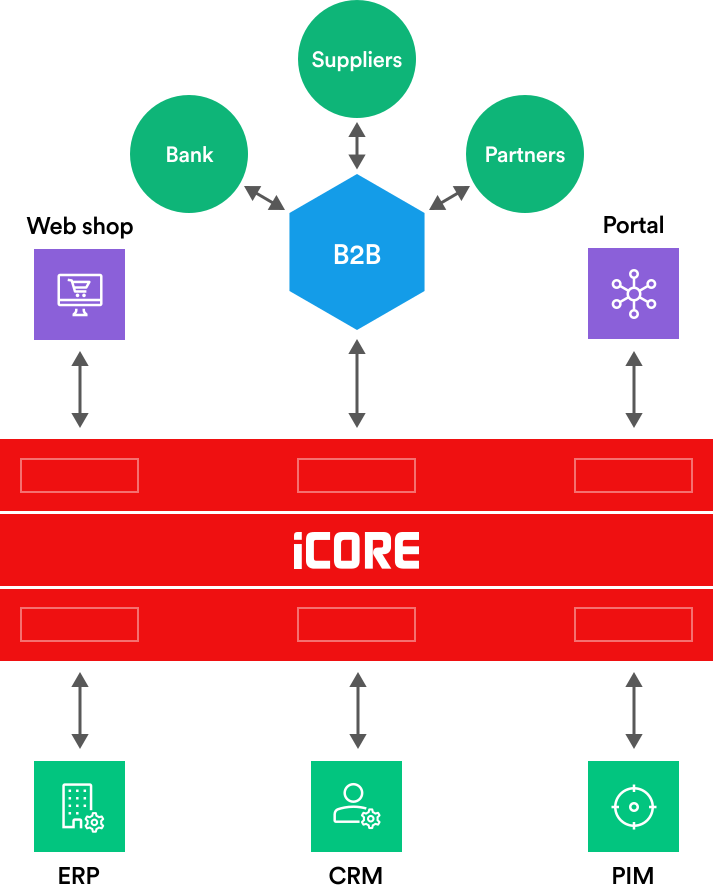
En integrationsplattform är en programvara som kopplar samman dina olika system och applikationer. Den gör det möjligt att flytta och omvandla data automatiskt, i rätt format, vid rätt tidpunkt, helt utan manuell hantering.
iCore Integration Suite är just en sådan plattform – utvecklad för att automatisera affärskritiska processer med hög säkerhet, flexibilitet och skalbarhet. Det kan till exempel handla om att koppla ihop order- och fakturaflöden, synka kunddata mellan CRM och ekonomisystem, eller automatisera inköp och leveranser i hela din leveranskedja.
Vill du veta hur företag skapar affärsnytta med en integrationsplattform?
Ladda ner vårt white paper: "Affärsnyttan med ett moget data- och integrationsarbete" – och få konkreta exempel på hur du kan öka kontrollen, minska riskerna och automatisera smartare.
API:er skulle göra det enkelt – varför växer integrationstrasslet ändå?
De flesta moderna system har öppna API:er som gör det enkelt att koppla ihop dem. Det kan ge intrycket att en integrationsplattform inte behövs. Men ofta är det tvärtom.
Direkta kopplingar mellan system leder lätt till digitalt trassel. Det fungerar i början, men blir snabbt svårt att underhålla och anpassa.
Med en integrationsplattform samlar du allt på ett ställe. Du får struktur, kontroll och lösningar som håller även när verksamheten växer.
Sex fördelar med en integrationsplattform
Välj fritt mellan system
En integrationsplattform gör det lättare att jobba med "best-of-breed" – alltså de bästa systemen inom varje område.
Standard istället för special
Skapa kopplingar som följer en tydlig struktur. Det blir enklare att bygga nytt, felsöka och förvalta över tid.
Full insyn i dataflöden
Se vad som händer i dina integrationer – i realtid. Övervaka, logga och larma direkt vid fel.
Digital ordning och reda
Du slipper ett trassel av direktkopplingar mellan dina system och appar.
Bättre koll på personuppgifter
Förenkla arbetet med GDPR och dataskydd. Plattformen hjälper dig spåra hur känslig information rör sig mellan systemen.
Lägre kostnader på sikt
Direktkopplingar kan vara snabba att bygga – men svåra att underhålla. En integrationsplattform är en investering som lönar sig över tid.
iCore Integration Suite – din byggsats för integration
Med iCore Integration Suite samlar du alla dina integrationer i ett eget produktlager. Det ger dig en tydlig arkitektur där varje ny koppling bara påverkar den del som berörs – inte hela kedjan.
Några viktiga egenskaper:
Hög säkerhet och kontroll – Plattformen är byggd för att hantera affärskritiska dataflöden med hög tillgänglighet, spårbarhet och dataskydd.
Stöd för olika arkitekturer – Bygg integrationer med API:er, meddelandeköer, SOA eller eventdriven logik – du väljer.
Lösa kopplingar – Minimera beroenden mellan system. Det gör det lättare att byta eller uppgradera enskilda delar.
Modulära byggstenar – Sätt upp nya integrationer snabbt med färdiga komponenter och stöd för många vanliga system.
Vad tycker våra användare?
Våra kunder efterfrågade en löst kopplad och flexibel plattform. iCore erbjuder fler möjligheter, bättre kommunikation och stöd för olika dataformat än de flesta andra plattformar vi testat.
Henrik Rundcrantz, iGate Consulting
Jag har jobbat med iCore i många år och uppskattar framförallt hur stabil plattformen är. Möjligheten till anpassad övervakning gör felhantering mycket enklare, och de inbyggda modulerna gör det lätt att snabbt komma igång med nya projekt.
Åsa Flisberg, Senior Integration Consultant på M3CS
Efter att vi implementerat iCore kan våra kunder till exempel lägga upp en ny leverantör i sitt affärssystem på ett par timmar – en process som tidigare tog tre till fyra dagar.
Christer Söderlund, Integrationsarkitekt och seniorkonsult på M3CS
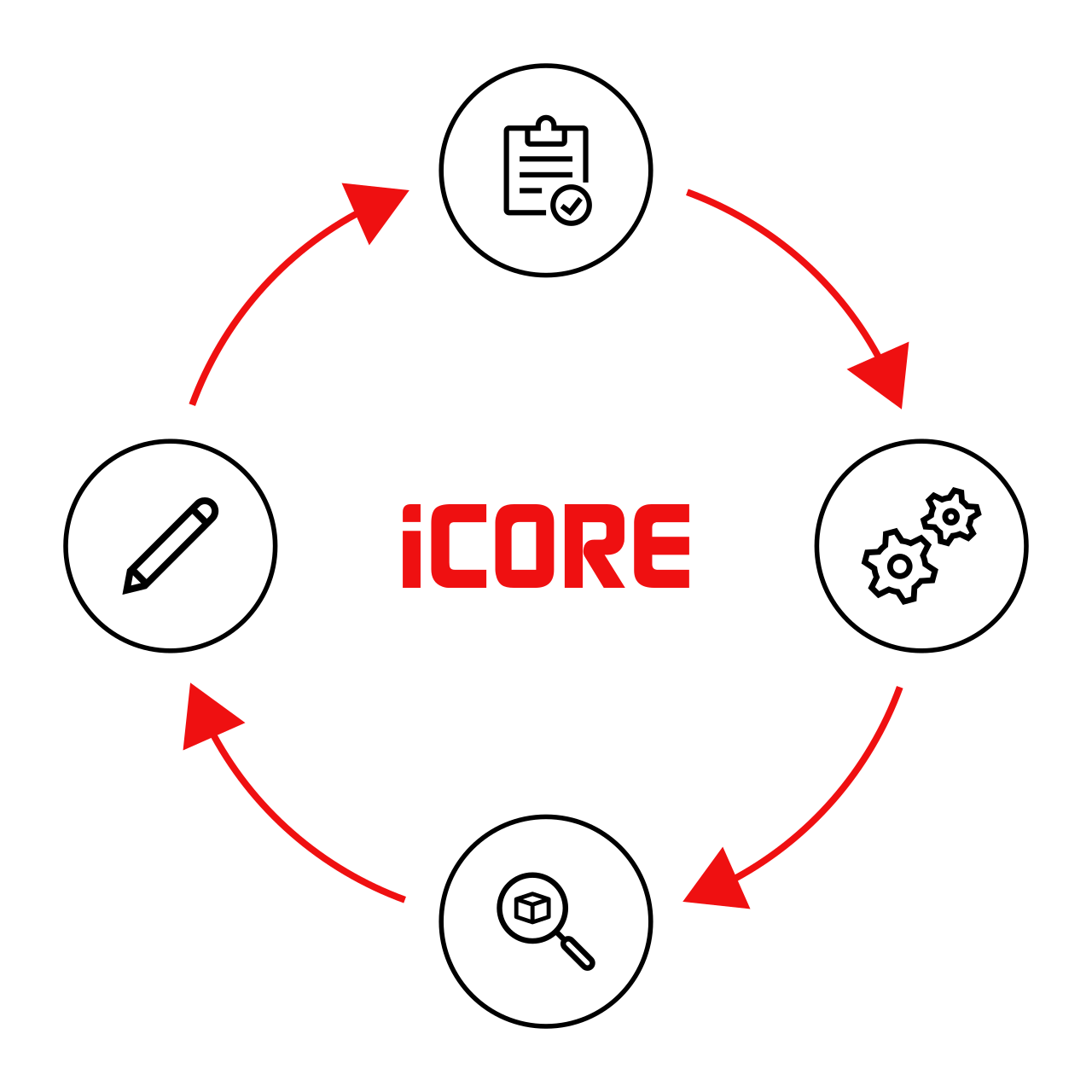
Stöd för hela livscykeln – från utveckling till drift
Med iCore Integration Suite får du stöd genom hela integrationsresan:
Utveckla och designa – Skapa integrationsflöden med hjälp av low-code-verktyg.
Testa och säkra kvaliteten – Kör tester i en separat miljö innan du går live.
Kör och skala upp – Hög prestanda och stabilitet även när dina behov växer.
Följ upp och övervaka – Full insyn med loggning, larm och felsökning.
Är du redo att ta kontroll över dina integrationer?
iCore Integration Suite är en integrationsplattform för dig som vill automatisera affärskritiska processer – med hög säkerhet, full kontroll och framtidssäkrad arkitektur.